Source Universal Fit Valve Stem Caps for Cars, Trucks, and Motorcycles
Compare 30 listings for universal fit valve stem caps made from silicone, aluminum, and plastic. Buyers can evaluate customization options, certifications like ISO and CE, and pricing details for automotive and motorcycle applications; compare the available evidence and request quotations based on your requirements.
Key considerations
Products List


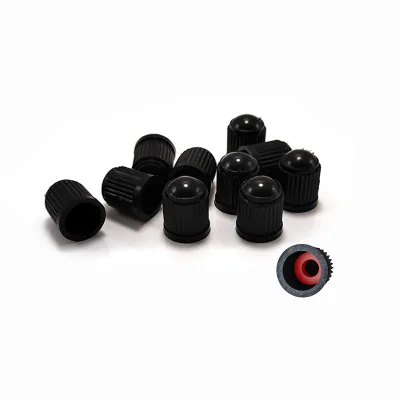
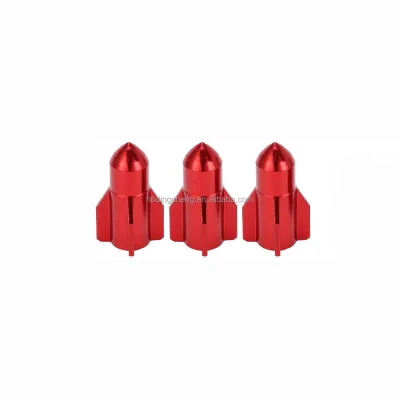


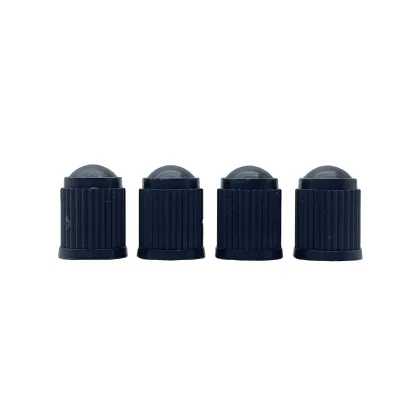


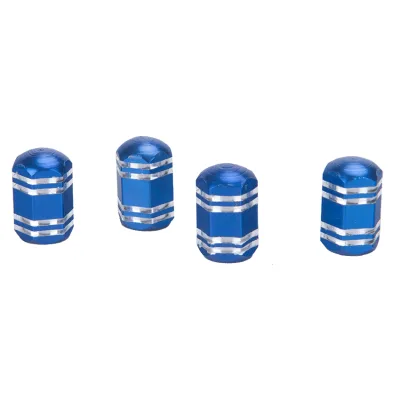


Comprehensive Sourcing Guide
Universal Fit Valve Stem Caps Sourcing Guide
Procuring universal fit valve stem caps requires careful attention to material composition and dimensional compatibility to ensure a secure seal across diverse vehicle models. The market offers options ranging from durable aluminum alloys with plastic protective covers to lightweight ABS plastic variants, each presenting distinct advantages for specific environmental conditions. Buyers must verify that the selected material resists corrosion and temperature fluctuations while maintaining the structural integrity necessary to prevent dust and moisture ingress into the valve core.
Commercial availability often includes customizable packaging and branding options, allowing distributors to align product presentation with their specific market strategies. While some listings indicate a minimum order quantity as low as a single piece, others require substantial volumes to access competitive pricing tiers. Understanding these commercial thresholds is essential for balancing inventory costs against the need for product variety, ensuring that the procurement strategy supports both immediate operational needs and long-term supply chain stability.
Product Scope and Observed Listing Signals
The observed product landscape for valve stem caps reveals a wide spectrum of finishes and color options, including gold, blue, silver, black, red, pink, green, and purple, catering to aesthetic customization demands. Listings frequently highlight portable carrying methods and specific model numbers such as 86 or A03416, which serve as critical identifiers for matching inventory to specific vehicle requirements. These signals indicate a mature market where visual differentiation and precise model matching are key drivers for consumer selection and retailer stocking decisions.
Buyers should note that product origins are predominantly traced to manufacturing hubs in China, with specific regions like Zhejiang and Hebei appearing frequently in supply chain data. The condition of goods is consistently listed as new, and packaging varies from simple OPP bags to more elaborate snake leather bags, reflecting different value propositions for bulk versus premium segments. This variation in packaging and origin suggests that buyers must scrutinize individual supplier profiles to ensure consistency in quality and logistics capabilities across different product lines.
Technical Specifications to Verify
Dimensional accuracy is paramount when sourcing universal fit valve stem caps, as specifications such as 17mm, 12xh13mm, or 7*H16mm dictate the physical compatibility with various tire valve stems. The internal dimensions, including the 4.8mm French Standard measurement, must align precisely with the valve core to prevent air leakage and ensure a tight seal under pressure. Buyers should request detailed technical drawings or physical samples to confirm that the listed dimensions match the actual product, as even minor deviations can lead to installation failures or premature wear.
Weight and surface finish characteristics also play a significant role in the functional performance and perceived quality of the caps. Observed weights range from 1g to 2.9g, with surface treatments like electroplating providing enhanced durability and aesthetic appeal. The material composition, whether aluminum, plastic, or ABS, directly influences the weight and resistance to impact, requiring buyers to match these attributes to the intended application environment. Verifying these physical properties ensures that the selected caps will perform reliably under the mechanical stresses of daily vehicle operation.
Compliance and Safety Documentation
Ensuring that valve stem caps meet international safety and environmental standards is a critical step in the procurement process. The market data indicates that suppliers often provide certifications such as ISO, GS, RoHS, and CE, which validate adherence to quality management systems and restrictions on hazardous substances. Buyers must verify the validity of these certificates for the specific batch of goods being purchased, as certification status can vary between different production runs and supplier facilities.
In addition to product-level certifications, compliance with regional standards regarding material safety and environmental impact is essential for global distribution. The "Standard" designation in product listings often refers to industry norms, but buyers should confirm that these align with the regulatory requirements of their target markets. Documentation should explicitly state the compliance status of the materials used, ensuring that the caps do not contain prohibited substances and meet the necessary safety thresholds for automotive components.
Cost Drivers and Commercial Terms
Pricing for universal fit valve stem caps is influenced by material costs, customization levels, and order volume, with observed price ranges in the market extending from zero to fifteen US dollars. The minimum order quantity (MOQ) varies significantly, ranging from a single piece to ten million units, creating a complex pricing structure that depends heavily on the buyer's volume requirements. Understanding these cost drivers allows purchasers to negotiate effectively and select the most economical option that meets their inventory and budget constraints.
Payment terms and shipping logistics further impact the total cost of ownership, with some suppliers requiring a 30% deposit before production begins. The single package size and gross weight, such as 5x5x5 cm or 10x10x10 cm, affect shipping costs and storage efficiency, particularly for large volume orders. Buyers should analyze the total landed cost, including freight and duties, rather than focusing solely on the unit price, to ensure that the commercial terms support a profitable and sustainable supply chain arrangement.
Supplier Qualification and Quality Control
Supplier qualification involves assessing the manufacturing capabilities and quality control systems of potential partners to ensure consistent product delivery. The presence of OEM acceptance and customizable packing options suggests that suppliers are equipped to handle bespoke requirements, but buyers must verify their capacity to maintain quality standards across large production runs. Establishing a clear communication channel for quality assurance is essential to address any discrepancies between the ordered specifications and the delivered goods.
Quality control protocols should include rigorous testing of material integrity, dimensional accuracy, and surface finish consistency. Buyers should request evidence of in-process inspections and final quality checks to confirm that the products meet the agreed-upon standards before shipment. Implementing a robust quality control plan helps mitigate the risk of receiving defective goods, ensuring that the valve stem caps perform reliably and maintain the brand reputation of the purchasing organization.
Long-Term Procurement Checks
Establishing a long-term procurement strategy requires regular audits of supplier performance and product consistency to maintain supply chain reliability. Buyers should monitor changes in material composition, packaging, or certification status over time, as these factors can impact the performance and compliance of the valve stem caps. Continuous engagement with suppliers ensures that any necessary adjustments are made promptly, maintaining the quality and reliability of the product line.
Future-proofing the procurement process involves staying informed about industry trends and technological advancements in valve stem cap design and materials. As vehicle specifications evolve, the demand for universal fit caps may shift, requiring buyers to adapt their sourcing strategies accordingly. Regularly reviewing market data and supplier capabilities allows organizations to anticipate changes and maintain a competitive edge in the automotive aftermarket sector.
FAQs
What materials are used for universal fit valve stem caps?
These caps are manufactured from silicone, aluminum alloy, plastic, ABS, and pure aluminum. Silicone options offer flexibility, while metal variants provide durability. Some models include plastic protective covers or electroplating for enhanced aesthetics and corrosion resistance, ensuring long-term performance in various environments.
Can I customize the packaging for these valve caps?
Yes, customization is available for packaging. Options range from simple OPP bags to premium snake leather bags. Suppliers also accommodate specific packing requirements, allowing buyers to select the most suitable presentation for their retail needs or bulk distribution channels effectively.
Which certifications are available for these valve stem caps?
Products hold ISO, GS, RoHS, and CE certifications. These standards ensure compliance with international safety and environmental regulations. Buyers can verify these credentials to meet specific market entry requirements or quality assurance protocols when sourcing universal fit valve stem caps for global distribution.
What is the typical MOQ for ordering valve caps?
MOQs vary significantly, ranging from 1 piece to 10,000 pieces or more. Some suppliers accept single-piece orders for sampling, while others require bulk commitments. Buyers should check specific product listings to determine the minimum order quantity that aligns with their inventory strategy.
Where are these valve stem caps manufactured?
These products originate from China, specifically from regions like Zhejiang and Hebei. Manufacturing in these areas supports efficient production and export logistics. Buyers can leverage this geographic advantage to access competitive pricing and reliable supply chains for their universal fit valve stem cap needs.
Are universal fit valve stem caps suitable for all vehicles?
Yes, they are designed as universal fit components. They are intended for replace or repair purposes across various car makes. The standard dimensions ensure compatibility with most vehicle tire valves, making them a versatile solution for automotive maintenance and aftermarket parts distribution.